Is Your Building Really Soundproof? Why Mass Loaded Vinyl Is Becoming the Go-To Fix for Urban Noise
You close your windows. You shut the door. You even switch on the fan to “cover” the outside noise. But still… you hear it. The traffic. The horns. The construction next door. The late-night bike racing. And suddenly you realize something uncomfortable your building isn’t really soundproof. That’s exactly why Mass Loaded Vinyl has quietly become one of the most talked-about fixes for urban noise.
Let’s be honest. City life is exciting. It’s full of energy. But it’s also loud. And that noise? It slowly eats into your peace without you even noticing.
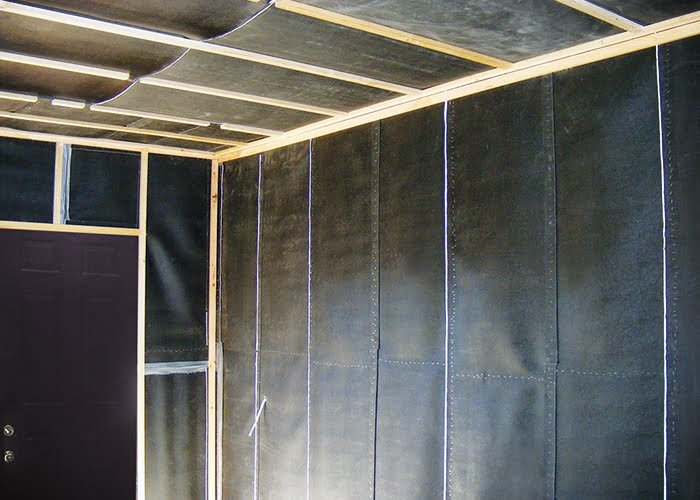
The Big Myth About “Soundproof” Buildings
Many of us assume that if a building looks solid, it must block sound properly. Thick walls, concrete slabs, double-glazed windows these things sound impressive. But here’s the truth: most residential and commercial buildings are not designed to fully stop noise. They are designed to be strong, not silent.
Concrete blocks some sound, yes. But vibrations travel. Sound waves sneak through gaps, vents, ceilings, even electrical outlets. That’s why you can hear your neighbor’s TV or footsteps from above. It’s not always about thin walls. It’s about how sound moves.
And once you notice it, you can’t un-hear it.
Why Urban Noise Feels Worse Today
You might think cities have always been noisy. True. But the type of noise has changed.
Today, we deal with:
Constant traffic flow, not occasional cars
High-rise construction happening year-round
Louder vehicles and bikes
Generators and HVAC systems running 24/7
More people living in tighter spaces
This means noise is not just loud. It’s continuous.
Continuous noise is exhausting. It affects sleep. It affects mood. It even affects focus and productivity. Many people working from home discovered this the hard way. One drilling machine next door can ruin your entire day.
So What Actually Works?
There are plenty of “quick fixes” out there. Foam panels. Carpets. Heavy curtains. While these can reduce echo inside a room, they don’t truly block sound from entering or leaving a space.
Blocking sound requires mass. The heavier and denser the material, the better it stops sound waves.
This is where the real solution comes in.
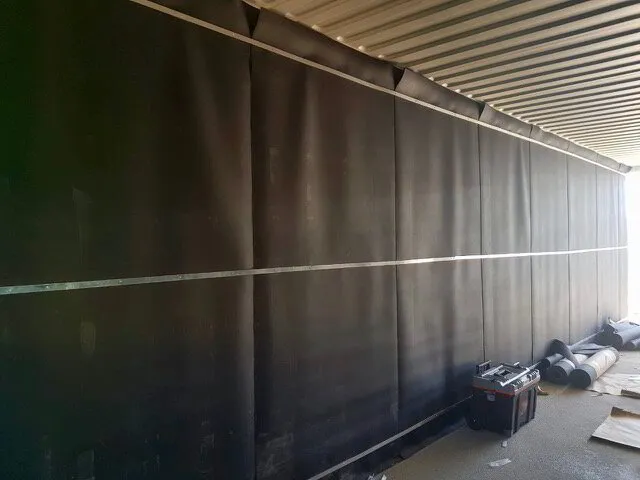
Why This Material Is Becoming So Popular
Over the last few years, architects, interior designers, home studio owners, and even regular homeowners have started using this high-density sound barrier material inside walls, ceilings, and floors.
Here’s why it’s catching attention:
1. It Adds Real Weight Without Adding Bulk
One of the biggest challenges in soundproofing is adding density without making walls extremely thick. Nobody wants to lose room space.
This material is thin but heavy. It increases the wall’s ability to block sound without turning your room into a bunker.
2. It Works Inside Existing Structures
You don’t have to demolish your entire wall. It can be added during renovations or even in certain retrofit applications. That makes it practical for apartments, offices, and studios.
In cities where space is expensive, practical matters.
3. It Handles Both Airborne and Impact Noise
Airborne noise is things like traffic, voices, music.
Impact noise is footsteps, furniture dragging, drilling.
Good soundproofing should reduce both. That’s why many people are choosing this solution when basic insulation fails.
Real-Life Situations Where It Makes a Difference
Let’s make this relatable.
You work from home and need silence for client calls.
Your baby keeps waking up because of street noise.
You practice music and don’t want complaints from neighbors.
You invested in a premium apartment but still hear the elevator motor.
In all these cases, simple décor fixes won’t solve the problem. You need structural sound control.
And that’s exactly why this material is becoming the go-to fix. It tackles the problem at its core, not just on the surface.
But Is It Worth the Investment?
That’s a fair question.
Soundproofing is not just about comfort. It’s about quality of life.
Think about it:
How much is a good night’s sleep worth?
How much does mental peace matter after a long day?
How much productivity do you lose because of distractions?
When you look at it that way, investing in proper sound control doesn’t feel like a luxury anymore. It feels necessary.
And compared to rebuilding walls entirely, this solution is often more cost-effective in the long run.

The Emotional Side of Silence
We don’t talk enough about how noise affects emotions.
Constant noise increases stress levels. Studies have linked urban noise to anxiety, sleep disorders, and even heart issues. You may not notice it daily, but your body does.
Silence isn’t just absence of sound. It’s relief.
It’s the moment you sit in your living room and don’t hear honking.
It’s recording a podcast without background disturbance.
It’s your child studying without distraction.
That peace changes how a home feels.
The Future of Urban Living
As cities grow taller and denser, noise will only increase. Builders are slowly paying more attention to acoustic design, but many older buildings still struggle.
This is why homeowners are taking control. They are not waiting for developers to fix it. They are upgrading their own spaces.
And as awareness grows, this sound barrier solution is becoming less of a niche product and more of a standard upgrade for modern living.
According to reports and discussions published by respected sources like The Guardian’s coverage on urban noise pollution, city noise is becoming one of the biggest environmental stress factors worldwide. That tells you something important this isn’t just your imagination. It’s a real, growing problem.
So if you’ve ever wondered why your “solid” building still feels loud, maybe it’s time to ask a deeper question. Not whether your walls look strong, but whether they are built to protect your peace.
Because in today’s cities, silence is not automatic. It’s designed. And sometimes, it needs the right material to make it real.


Comments
Post a Comment